Carbon-negative textiles represent a breakthrough in sustainable fashion, actively removing more CO₂ from the atmosphere than they emit throughout their lifecycle. By using innovative bioengineering, renewable resources, and circular manufacturing practices, these textiles help lower the planet’s carbon footprint and promote regenerative ecosystems. They turn fashion into a climate-positive force that benefits the environment. Stay with us to explore how these groundbreaking materials are shaping a greener, more responsible industry.

Get your wardrobe favorites delivered free with Prime
- Fast, free delivery on millions of items
- Prime Video, Amazon Music and more included
- Member-only deals all year
Key Takeaways
- Carbon-negative textiles actively absorb more CO₂ during their lifecycle than they emit, transforming sustainable fashion into regenerative solutions.
- Innovative bioengineered materials, like algae-based fabrics, serve as natural carbon sinks, reducing overall atmospheric CO₂.
- Sustainable sourcing from waste biomass and circular production methods minimize environmental impact and promote resource regeneration.
- Renewable energy-powered manufacturing and eco-friendly processes significantly lower the carbon footprint of textile production.
- These advancements support a shift toward climate-positive fashion, helping the industry heal the planet and foster regenerative practices.
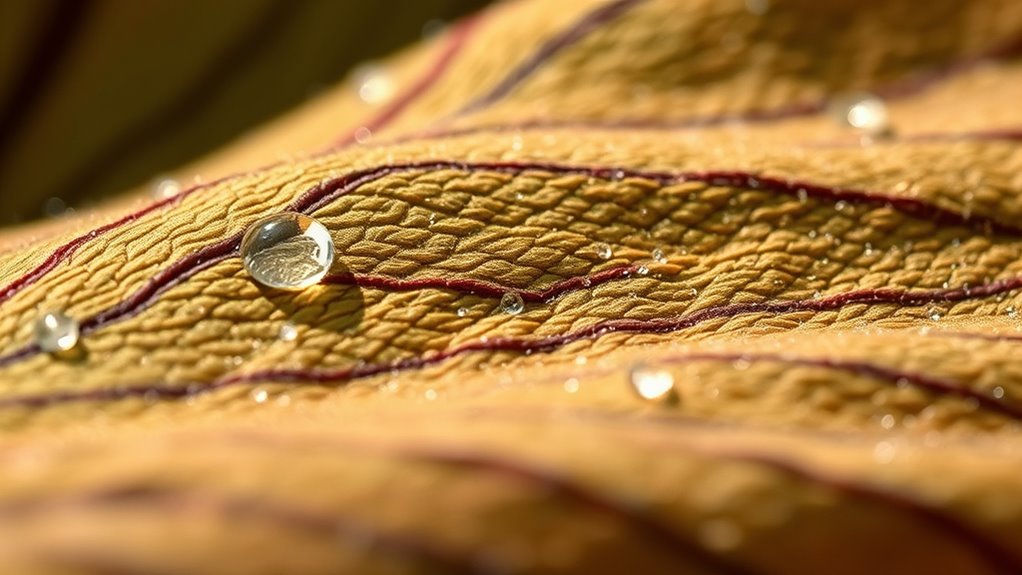
As the fashion industry seeks sustainable solutions, carbon-negative textiles emerge as a groundbreaking innovation. These textiles are designed to reduce or even offset more carbon dioxide than they produce during their entire lifecycle. This shift is revolutionizing how you think about eco-friendly fashion, moving beyond traditional sustainable sourcing to embrace truly regenerative materials. You no longer have to settle for simply reducing environmental impact; instead, you can actively contribute to lowering the planet’s carbon footprint with every garment you wear.
Carbon-negative textiles actively reduce or offset more CO₂ than they emit, transforming sustainable fashion into regenerative innovation.
The core of carbon-negative textiles lies in innovative materials that are developed with sustainability at their heart. Unlike conventional fabrics that rely heavily on resource-intensive processes, these textiles incorporate cutting-edge methods that pull more carbon out of the atmosphere than they emit. For instance, some materials are produced through bioengineering techniques that grow directly from renewable sources, such as algae or specially cultivated plants, which absorb CO₂ as they develop. These innovative materials not only minimize environmental harm but sometimes even serve as carbon sinks, effectively removing greenhouse gases from the atmosphere. This process is supported by advances in bioengineering techniques, which are enabling the creation of fabrics that actively reduce atmospheric carbon.
When you choose clothing made from these materials, you’re supporting a supply chain rooted in sustainable sourcing. This means the raw materials are cultivated or gathered with minimal environmental impact, often using fewer water resources, less land, and renewable energy. You can think of it as a shift from a linear model of extraction and disposal to a circular approach that regenerates ecosystems. For example, some brands utilize waste biomass or recycled waste streams to create textiles, transforming what was once considered waste into valuable, eco-friendly fabrics. This innovative approach reduces reliance on fossil fuels and virgin resources, making your fashion choices more aligned with planetary health.
Furthermore, these textiles are often produced using manufacturing processes that harness renewable energy sources, making the entire lifecycle more sustainable. As a consumer, you can advocate for transparency and support brands committed to pioneering these innovative materials. By doing so, you’re actively encouraging the industry to adopt practices that prioritize not just sustainability but carbon negativity. Your choices can influence larger shifts in supply chains, prompting the adoption of greener technologies and more responsible sourcing methods.
In addition, the development of these textiles often involves cutting-edge bioengineering techniques, which are transforming how fabrics are produced and reducing their environmental impact. These advancements also foster a circular economy, where waste is minimized and materials are reused or recycled to extend their usefulness. Moreover, ongoing research into renewable energy-powered manufacturing is further reducing the carbon footprint of textile production. By choosing garments made from these materials, you support a future where fashion not only minimizes harm but actively improves the health of our planet. Every piece made from these materials carries a story of environmental stewardship, showing that the future of fashion can be both stylish and regenerative. As you embrace this shift, you become part of a movement that’s transforming the industry into one that actively works to heal the planet, one innovative material at a time.
Frequently Asked Questions
How Do Carbon-Negative Textiles Compare in Cost to Traditional Fabrics?
You might wonder how carbon-negative textiles compare in cost to traditional fabrics. Generally, the cost comparison shows that while carbon-negative options can be slightly more expensive initially, their market affordability improves as production scales up and technology advances. Over time, these textiles could become more cost-effective, especially considering their environmental benefits. So, investing now could lead to savings later, making them a viable choice for eco-conscious consumers.
What Are the Main Challenges in Scaling up Production of These Textiles?
You face challenges scaling up production due to supply chain issues and technological barriers. Securing sustainable raw materials and establishing reliable logistics can be difficult, delaying mass production. Additionally, advanced technologies needed for carbon-negative processes are still evolving, often requiring significant investment and research. Overcoming these obstacles is essential to make these innovative textiles more accessible, affordable, and environmentally impactful on a larger scale.
Are There Any Health Risks Associated With These New Materials?
Think of new textiles as uncharted waters—you wonder about hidden dangers. You should know that most carbon-negative textiles are designed with chemical safety in mind, minimizing harmful substances. Still, some people might experience allergic reactions if they have sensitivities to certain chemicals used in production. Always check for safety certifications and test for allergies before fully adopting these innovative fabrics, so you can enjoy their benefits without worry.
How Long Do Carbon-Negative Textiles Typically Last Compared to Conventional Fabrics?
You might wonder about the sustainability longevity and fiber durability of these textiles. Generally, carbon-negative fabrics are designed to last as long as conventional materials, often matching or exceeding their durability. Their innovative fibers are treated for strength, meaning you can expect similar or better longevity. With proper care, these textiles sustain their quality, making them a reliable, eco-friendly choice without sacrificing durability or lifespan.
Can Carbon-Negative Textiles Be Recycled or Biodegrade Naturally?
You might wonder if carbon-negative textiles can be recycled or biodegrade naturally. Their biodegradability prospects depend on the materials used; some are designed to break down safely, while others may need specific conditions. Recycling feasibility varies too, as certain fabrics can be repurposed, but others might require special processes. Overall, many carbon-negative textiles aim for eco-friendly end-of-life options, making them a more sustainable choice compared to traditional fabrics.
Conclusion
Imagine holding the future in your hands, where every textile you choose leaves a lighter footprint on the planet. Carbon-negative textiles aren’t just a trend—they’re a revolution steering us toward a sustainable tomorrow. By embracing these innovations, you become part of a movement as unstoppable as a river carving new paths. The time to act is now; with each step, you help turn the tide and make eco-friendly fashion the new normal.
Halloween Picks
halloween
As an affiliate, we earn on qualifying purchases.