To make minimal packaging shopping easy, start by bringing reusable bags, containers, and jars to avoid single-use plastics. Choose loose produce and shop at farmers’ markets or package-free stores. Support brands that use eco-friendly packaging and focus on local products. Keep a shopping list to prevent impulse buys and buy in larger quantities to reduce waste per item. Developing these habits makes sustainable shopping simple and effective—keep exploring to discover even more ways to minimize packaging and waste.
Open a free Amazon Business account
Business pricing, bulk buying and tax-exempt orders.
As an affiliate, we earn on qualifying purchases.
Key Takeaways
- Prepare a shopping list to avoid impulse buys and reduce unnecessary packaging.
- Bring reusable bags, containers, and jars for bulk and loose items.
- Choose products with minimal, biodegradable, or recyclable packaging options.
- Shop at farmers’ markets or package-free stores to minimize packaging waste.
- Educate yourself on sustainable packaging choices and proper recyclability practices.
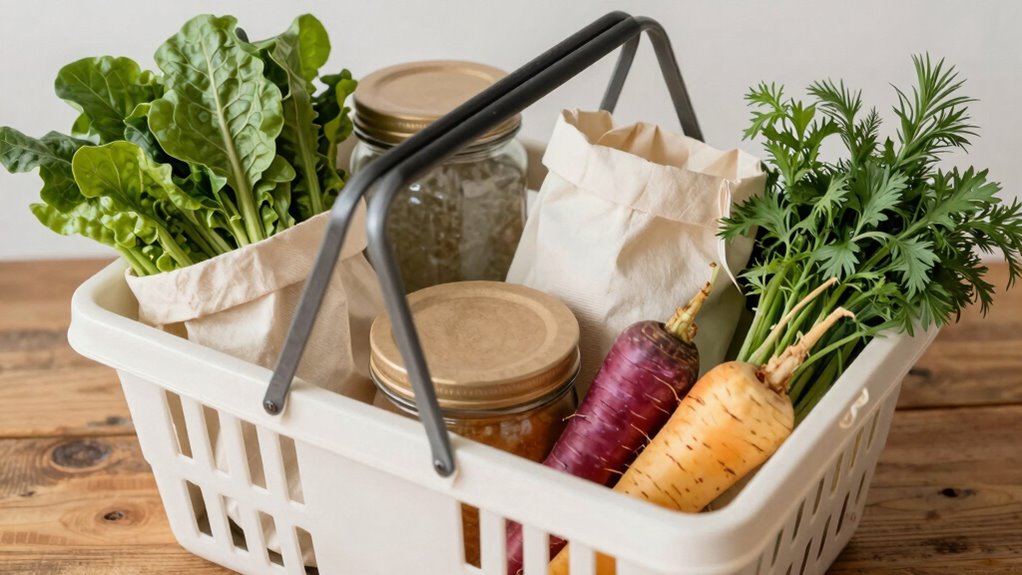
In today’s eco-conscious world, minimal packaging shopping offers a practical way to reduce waste and lessen your environmental impact. By choosing products with less packaging, you can significantly cut down on the amount of trash that ends up in landfills. Making this shift doesn’t mean sacrificing convenience or quality; instead, it encourages you to embrace eco friendly alternatives that prioritize sustainability. Small changes, like opting for bulk items or packaging-free produce, can have a big impact over time. Incorporating zero waste strategies into your shopping routine makes it easier to stick with these habits and minimizes your environmental footprint.
Choosing minimal packaging reduces waste and supports sustainable, eco friendly shopping habits over time.
To get started, bring your own reusable bags, containers, and jars whenever you shop. This simple step helps you avoid single-use plastics and makes it easier to select options that are either unpackaged or sold in bulk. Many stores now offer discounts for customers who bring their own containers, which can save you money while supporting your zero waste goals. When shopping for produce, choose loose fruits and vegetables instead of pre-packaged options. You might also seek out farmers’ markets or stores that specialize in package-free goods, making it easier to access eco friendly alternatives that align with your zero waste strategies. Additionally, being aware of product packaging and its environmental impact can help you make more informed choices.
Opting for products with minimal packaging isn’t just about avoiding waste; it’s also about supporting companies that prioritize sustainability. Look for brands that use biodegradable, recyclable, or compostable materials. Pay attention to labels that emphasize eco friendly alternatives, and support local businesses that reduce packaging altogether. Carrying a set of reusable produce bags and containers makes it convenient to buy in bulk, reducing the need for excessive packaging and waste. This habit becomes second nature over time, making your shopping trips quicker and more aligned with your environmental values. Developing awareness about sustainable packaging can further enhance your ability to make eco conscious decisions during shopping. Being knowledgeable about waste reduction strategies can also empower you to find innovative ways to cut down on packaging waste in other areas of your life. Additionally, understanding recyclability helps ensure that the materials you do use are properly processed and diverted from landfills.
In addition to reducing packaging, consider planning your shopping trips carefully. Create a list based on what you truly need, which helps prevent impulse buys that often come with unnecessary packaging. When possible, buy in larger quantities to lessen packaging waste per unit. Becoming familiar with zero waste strategies can also inspire you to discover new ways to reduce waste and increase sustainability in your daily life. Remember, zero waste strategies aren’t about perfection but about making continuous improvements. As you develop these habits, you’ll find that minimal packaging shopping becomes more intuitive, and your efforts to live sustainably become easier and more rewarding. Over time, these small but consistent choices contribute significantly to reducing your overall waste footprint and fostering a more sustainable lifestyle.
As an affiliate, we earn on qualifying purchases.
Frequently Asked Questions
How Do I Find Stores That Support Minimal Packaging?
You find stores supporting minimal packaging by researching eco-friendly transportation options and prioritizing local sourcing. Look for shops that promote bulk buying, refill stations, or package-free sections. Use online directories or social media to identify eco-conscious stores in your area. Visiting farmers’ markets or co-ops often reveals local businesses committed to reducing waste. Supporting these stores encourages sustainable practices and makes minimal packaging shopping easier and more accessible.
What Are the Best Reusable Packaging Options?
Imagine your shopping cart as a vessel sailing toward sustainability. Your best reusable packaging options are those crafted from eco-friendly materials, like stainless steel, glass, or durable silicone. Reusable containers are your trusty crew, ready to carry bulk foods, snacks, or liquids without adding waste. By choosing these eco-conscious containers, you transform routine errands into a voyage of reducing waste, making every trip a step closer to a greener planet.
How Can I Reduce Packaging Waste When Shopping Online?
To reduce packaging waste when shopping online, you can choose eco-friendly alternatives like retailers that use minimal or biodegradable packaging. Opt for consolidated orders to limit shipments, and request minimal packaging when possible. Support brands committed to waste reduction strategies, and reuse shipping materials when safe. These habits help decrease waste, lessen environmental impact, and promote sustainable shopping practices.
Are There Specific Products Best Suited for Minimal Packaging?
You’re best suited for products made with eco-friendly materials and sustainable design, which naturally reduce packaging waste. Look for items like bulk foods, reusable products, and brands committed to minimal packaging. When shopping, choose companies that prioritize eco-conscious packaging to make your habits more sustainable. These products often come with less unnecessary wrapping, making it easier for you to reduce waste and support environmentally friendly practices.
How Do I Communicate My Packaging Preferences to Retailers?
You can communicate your packaging preferences to retailers by requesting eco-friendly labeling and emphasizing packaging transparency. Talk directly with store staff or customer service, and look for brands that openly share their packaging practices. When shopping online, leave notes during checkout or choose options that highlight minimal packaging. Your feedback encourages retailers to prioritize sustainable options, making minimal packaging easier and more accessible for everyone.
Conclusion
By adopting minimal packaging shopping habits, you’re steering your lifestyle toward a greener, more sustainable path. Think of it as tending a garden—each small, mindful choice helps your environment flourish. When you choose reusable bags, bring your own containers, and buy in bulk, you’re planting seeds for a healthier planet. Keep nurturing these habits, and you’ll watch your positive impact grow, transforming your shopping routine into a powerful act of care for the world around you.
NFL season / tailgating Picks
team gear
As an affiliate, we earn on qualifying purchases.