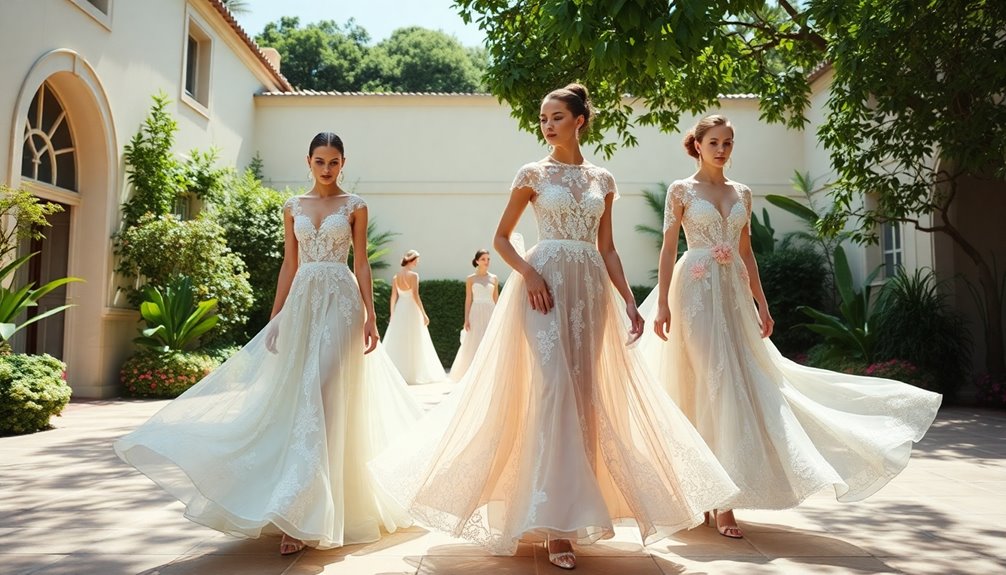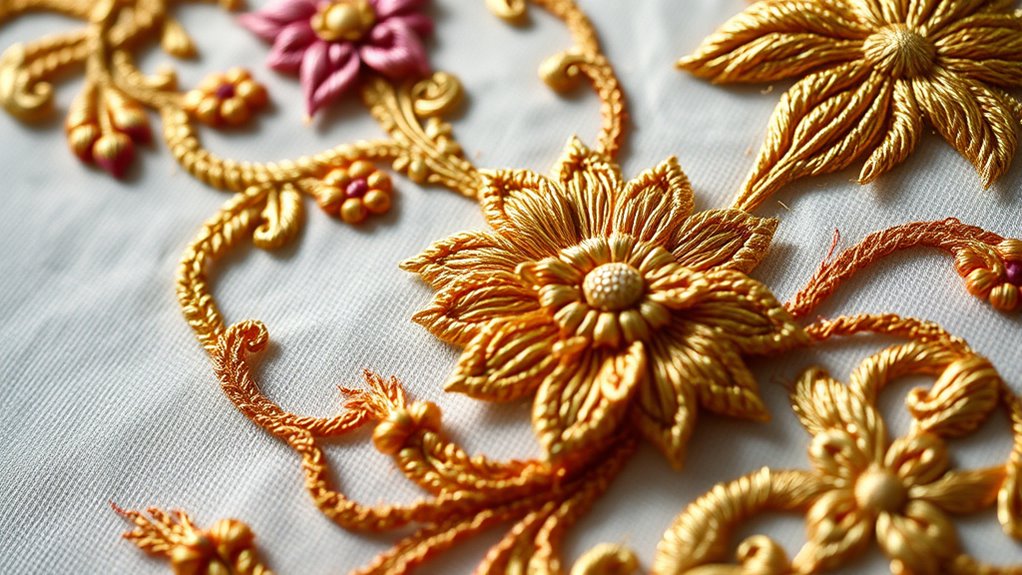

Embroidery houses of Paris, like Lesage and Montex, combine centuries-old techniques with modern innovation to create exquisite embellishments for haute couture. You’ll find artisans meticulously hand-stitching intricate patterns using traditional methods like couching and appliqué, all while incorporating contemporary materials such as metallic threads and sequins. Each house maintains a unique identity, continually evolving while preserving their craft’s rich heritage. To discover how these ateliers shape Paris’s fashion legacy, explore further.

Get your wardrobe favorites delivered free — and shop member deals
- Fast, free delivery on millions of items
- Access to Prime Big Deal Days deals on October 6–7
- Prime Video, Amazon Music and more included
Key Takeaways
- Paris embroidery houses combine centuries-old techniques like couching and appliqué with modern innovation and materials.
- Lesage, Montex, and others are renowned for their craftsmanship, collaborations, and contributions to haute couture.
- Each studio maintains a unique identity rooted in tradition but continuously evolves with new textures, motifs, and methods.
- Incorporation of contemporary materials such as metallic threads, sequins, and 3D embellishments showcases ongoing innovation.
- These houses preserve traditional craftsmanship while inspiring new generations and redefining embroidery’s role in fashion.

Paris’s embroidery houses are a vibrant affirmation to the city’s rich craft heritage, blending centuries-old techniques with modern innovation. When you step into these ateliers, you’re immersing yourself in a world where history and creativity intertwine. You’ll see firsthand how traditional embroidery techniques like couching, appliqué, and beadwork have been preserved and refined over generations. These methods, passed down through centuries, serve as the foundation for contemporary designs, ensuring that each piece carries a sense of timeless craftsmanship. You’ll also notice that some embroidery houses have become synonymous with influential embroidery designers whose visions have shaped the Parisian embroidery landscape. These designers, often celebrated for their meticulous detail and innovative use of materials, have pushed the boundaries of what embroidery can achieve. Their work merges classical techniques with avant-garde aesthetics, creating pieces that are both luxurious and cutting-edge.
As you explore the embroidery houses of Paris, you’ll see how each studio maintains its unique identity rooted in tradition but constantly evolving. Lesage, for example, is renowned worldwide for its mastery of embroidery techniques and its collaborations with top fashion houses. You might observe artisans meticulously hand-stitching intricate patterns, a skill passed down through generations of craftsmen. In these ateliers, the influence of pioneering embroidery designers is evident. They’ve introduced new textures, motifs, and methods, inspiring a new wave of creativity that still respects the core principles of traditional embroidery. You’ll find that many of these influential figures have contributed to the global reputation of Paris as a fashion and craft capital, elevating embroidery from a decorative art to a essential component of haute couture. The use of contemporary techniques demonstrates how innovation continues to shape the craft.
Additionally, the integration of modern materials like metallic threads, sequins, and 3D embellishments demonstrates the innovative spirit that continues to drive these houses forward as seen in contemporary techniques. Many ateliers also incorporate technological advancements, which have expanded the possibilities of embroidery design and execution. Beyond Lesage, other embroidery houses like Montex continue to innovate, blending traditional craftsmanship with contemporary design. Here, you might witness the integration of modern materials like metallic threads, sequins, and 3D embellishments, all executed with the same meticulous care as in centuries past. Your experience might include viewing historical embroidery techniques used in historic costumes and understanding how these methods remain crucial today. The influence of legendary embroidery designers is woven into every stitch, inspiring both new artisans and established masters alike. Whether you’re admiring a vintage piece or a freshly designed masterpiece, you’ll realize that Paris’s embroidery houses aren’t just preserving a craft—they’re constantly redefining it, ensuring its relevance for future generations.
Frequently Asked Questions
How Do Embroidery Houses Collaborate With Fashion Designers?
You collaborate closely with fashion designers to bring their visions to life through embroidery innovation. By sharing ideas and experimenting with techniques, you create intricate, personalized details that elevate collections. These creative collaborations often involve brainstorming sessions, sample development, and refining designs together, ensuring the embroidery enhances the overall aesthetic. Your expertise transforms concepts into luxurious, detailed embellishments that reflect both your craftsmanship and the designer’s unique style.
What Are the Training Requirements for Embroidery Artisans?
You need to undergo extensive artisan training to master embroidery techniques. This training often includes learning hand embroidery, machine skills, and understanding fabric types. You might start with apprenticeships or specialized courses, focusing on precision and creativity. Developing your skills takes years of practice, patience, and dedication. With thorough artisan training, you’ll be able to create intricate, beautiful embroidery that elevates fashion designs and showcases craftsmanship.
How Has Digital Technology Impacted Traditional Embroidery Techniques?
You might worry digital technology diminishes craftsmanship, but it actually enhances it. Digital innovation allows you to experiment faster, perfect intricate designs, and streamline production without sacrificing quality. It helps preserve traditional embroidery techniques by making training more accessible and documentation more precise. As a result, you can combine modern tools with age-old skills, ensuring the artistry endures while evolving with technological progress.
What Sustainability Practices Are Embroidery Houses Adopting?
You might notice that embroidery houses are now adopting sustainability practices by using sustainable materials and eco-friendly processes. They’re reducing waste, recycling fabrics, and choosing environmentally conscious dyes to lessen their ecological footprint. These efforts help preserve traditional craftsmanship while meeting modern demands for eco-responsibility. By integrating sustainable materials and eco-friendly processes, you can see how these houses balance artistry with environmental stewardship, ensuring a greener future for embroidery.
How Do Embroidery Houses Maintain Their Heritage and Craftsmanship?
You can see how embroidery houses maintain their heritage and craftsmanship excellence by safeguarding traditional techniques and passing skills through apprenticeships. They focus on meticulous detail, combining age-old methods with modern innovation to stay relevant. By valuing craftsmanship and honoring their history, these houses ensure their heritage is celebrated and sustained, creating timeless pieces that showcase their expert artistry and dedication to preserving embroidery’s rich legacy.
Conclusion
So, next time you admire that stunning couture gown, remember the real magicians behind the scenes—Lesage, Montex, and their embroidery houses. They turn mere fabric into art, all while keeping Paris’s secret society of needle nerds thriving. Without them, haute couture would be just fancy fabric. So, give a nod to these hidden heroes; after all, where would fashion be without a little stitch of genius—and a lot of patience?
Fall Picks
fall essentials
As an affiliate, we earn on qualifying purchases.