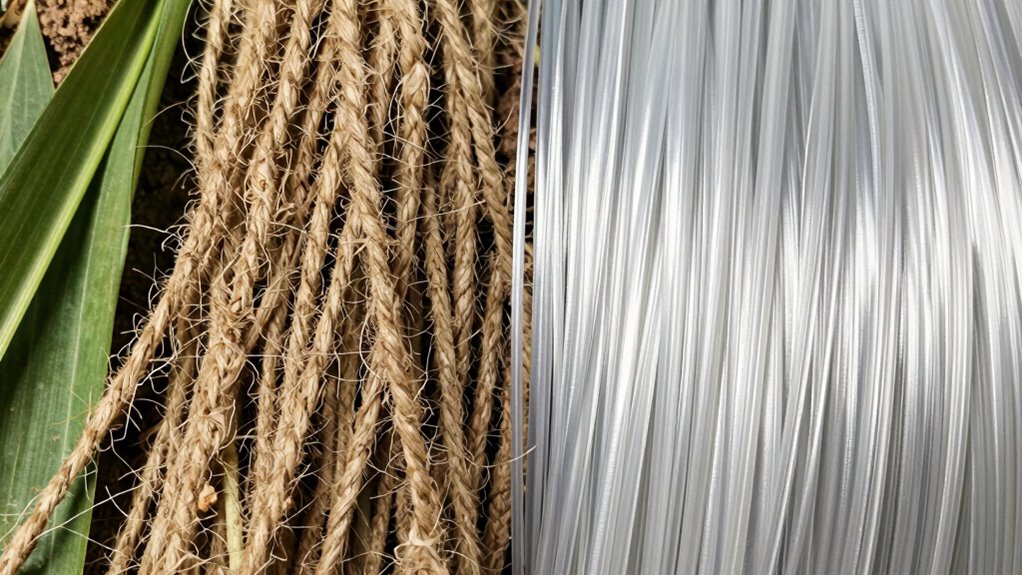

When comparing natural fibers and synthetics, you’ll find natural fibers like cotton, wool, and hemp are renewable and biodegradable, making them more eco-friendly—especially when sustainably produced. Synthetics, made from fossil fuels, last longer and resist wear but shed microplastics and persist in the environment. They also require more energy to produce, increasing their carbon footprint. To understand how to make better choices for the planet, explore the detailed tradeoffs involved.

Get your wardrobe favorites delivered free — and shop member deals
- Fast, free delivery on millions of items
- Access to Prime Big Deal Days deals on October 6–7
- Prime Video, Amazon Music and more included
Key Takeaways
- Natural fibers are biodegradable and eco-friendly if sustainably produced, whereas synthetics are durable but contribute to microplastic pollution.
- Manufacturing natural fibers generally requires less energy, resulting in a lower carbon footprint compared to energy-intensive synthetic production.
- Synthetic fibers shed microplastics during washing, polluting water systems, while natural fibers decompose more readily when properly managed.
- Large-scale cultivation of natural fibers can cause water overuse and land degradation, unlike synthetics derived from fossil fuels.
- Advancements in sustainable farming and recycling can mitigate environmental impacts, influencing the tradeoffs between natural and synthetic fibers.
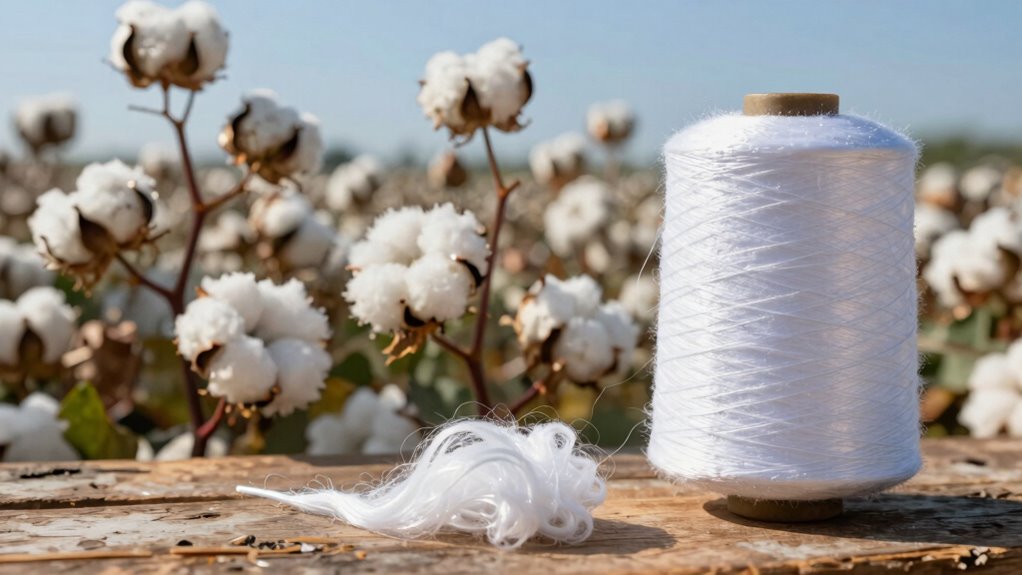
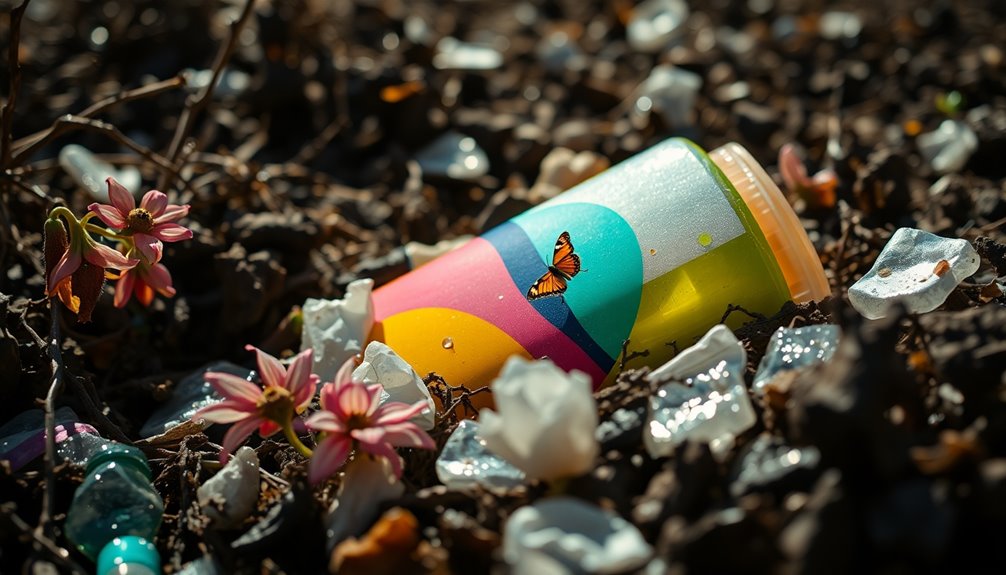
Have you ever wondered how natural fibers compare to synthetic ones? When it comes to choosing materials for clothing, textiles, or even packaging, understanding their environmental impact is crucial. Natural fibers like cotton, wool, or hemp are often seen as more eco-friendly because they come from renewable resources and tend to be biodegradable. However, it’s important to consider biodegradability concerns—some natural fibers require intensive processing or chemical treatments that diminish their ability to break down naturally. For example, cotton may biodegrade faster than synthetic fabrics, but if treated with dyes or finishes, its decomposition can slow significantly. On the other hand, synthetic fibers like polyester or nylon are derived from fossil fuels, making them less biodegradable and contributing to long-lasting waste in landfills. This durability is often touted as a benefit, but it turns into a downside when you factor in environmental persistence and pollution. Additionally, the environmental benefits of natural fibers can be compromised if they are grown with excessive resources, such as water and pesticides.
Natural fibers are eco-friendly but may require chemical treatments that slow biodegradation.
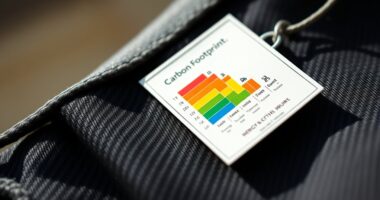
A comprehensive carbon footprint analysis reveals that natural fibers generally have a lower environmental impact during production, especially if grown sustainably. They usually require less energy to produce compared to synthetics, which involve energy-intensive chemical processes. For instance, manufacturing polyester involves extracting petrochemicals, polymerizing them, and then weaving the fibers—steps that consume a lot of energy and emit greenhouse gases. Conversely, natural fibers can often be harvested with minimal processing, reducing their carbon footprint significantly. However, this advantage isn’t absolute. Large-scale farming of natural fibers can lead to issues like water overuse, pesticide runoff, and land degradation, which offset some of their environmental advantages. Moreover, advancements in sustainable farming practices are helping to mitigate these impacts.
It’s also worth noting that the recyclability of synthetic fibers can vary depending on the fiber type and recycling technology, which influences their environmental profile. Synthetics tend to have a higher initial carbon footprint due to their complex manufacturing processes, but they often last longer and resist wear and tear better. That longevity can mean fewer replacements over time, which somewhat balances out their higher production emissions. Still, the persistent nature of synthetic fibers means microplastics shed during washing can pollute oceans and freshwater systems, adding another environmental concern. Meanwhile, natural fibers, when properly managed, decompose more readily, reducing long-term waste.
In the end, your choice hinges on a balance of factors—biodegradability concerns, resource use, and the overall carbon footprint. Natural fibers may be more eco-friendly in many respects, but only if they’re produced sustainably and processed with minimal chemicals. Synthetic fibers, while durable and versatile, come with environmental tradeoffs that are harder to ignore. To truly minimize your impact, you need to weigh these environmental tradeoffs carefully and consider the entire lifecycle of the material.
eco-friendly natural fiber clothing
As an affiliate, we earn on qualifying purchases.
As an affiliate, we earn on qualifying purchases.
Frequently Asked Questions
How Do Natural and Synthetic Fibers Impact Indoor Air Quality?
You might notice that natural fibers tend to release fewer airborne particles and volatile emissions, helping keep indoor air cleaner. Conversely, synthetic fibers can emit more volatile chemicals over time, which may impact your indoor air quality negatively. When choosing materials, consider how each type contributes to airborne particles and potential chemical emissions, as these factors directly affect your home’s air quality and your overall health.
Are Natural Fibers More Biodegradable Than Synthetics in Marine Environments?
You might think natural fibers are always more biodegradable in marine environments, but marine degradation depends on biodegradability factors like fiber composition and exposure conditions. Natural fibers generally break down faster than synthetics because they’re made from organic materials. However, some natural fibers resist degradation due to treatments or environmental factors. So, while natural fibers tend to biodegrade faster, their actual marine degradation varies, and considering biodegradability factors is essential.
What Are the Water Footprints of Producing Natural Versus Synthetic Fibers?
You’ll find that natural fibers generally have a higher water consumption during production compared to synthetics, which often require less water but rely heavily on fossil fuels. However, the pollution levels from natural fiber farming—like pesticide runoff—can be significant. Conversely, synthetic fibers involve energy-intensive processes that produce notable pollution. So, while natural fibers use more water, synthetics tend to contribute more to pollution levels during manufacturing.
How Do Natural and Synthetic Fibers Perform in Extreme Weather Conditions?
Natural fibers, like wool, perform like a trusty shield in extreme weather, offering excellent insulation properties and fiber durability. Synthetic fibers, on the other hand, are more resilient against moisture, wind, and rain, maintaining their integrity longer. You’ll find synthetics excel in harsh conditions due to their water resistance and strength, while natural fibers may struggle with moisture and temperature fluctuations. Your choice depends on whether insulation or resilience is your priority.
What Are the Long-Term Environmental Impacts of Fiber Manufacturing Processes?
You should consider that fiber manufacturing impacts the environment throughout its lifecycle, from extraction to disposal. Synthetic fibers often involve pollution-intensive processes, releasing chemicals and microplastics into ecosystems. Natural fibers generally have a lower environmental footprint but still require resource-intensive farming. To improve sustainability, focus on pollution mitigation strategies like eco-friendly dyes and recycling programs, which help reduce long-term environmental impacts and promote a more sustainable fiber lifecycle.
Conclusion
As you weigh the choices between natural fibers and synthetics, remember the timeless wisdom of the Earth’s balance. Like the delicate dance of a spider’s web or the ebb of ocean waves, your decision impacts our shared environment. Embrace the beauty of nature’s gifts, knowing each choice echoes in the grand tapestry of sustainability. In this ongoing story, you hold the pen—choose wisely, and help craft a greener tomorrow.
Fall Picks
fall essentials
As an affiliate, we earn on qualifying purchases.