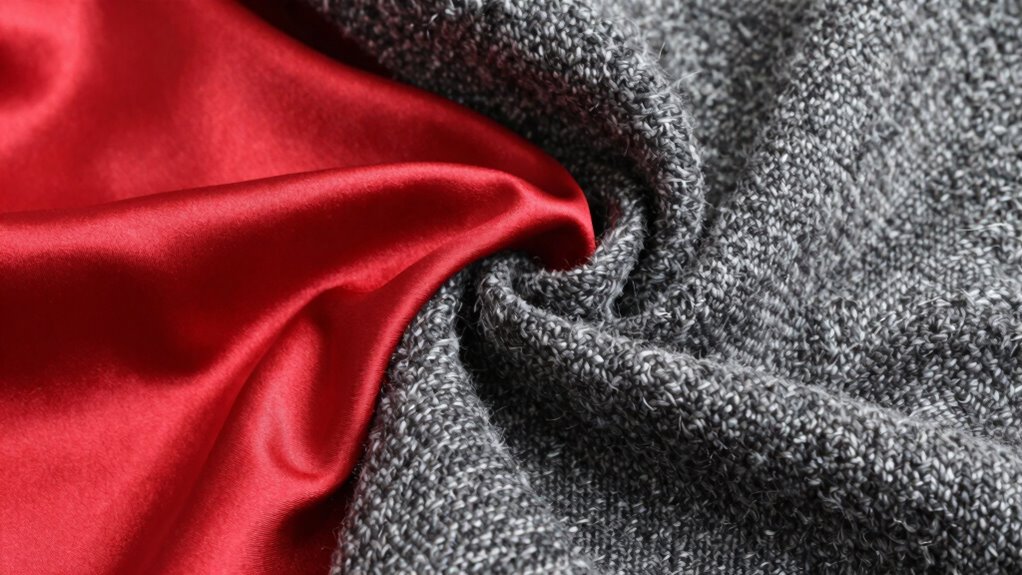

Fabric blends combine different materials to boost durability, comfort, and sustainability, making them a smart choice over 100% natural fibers. They improve fabric qualities like softness, resistance to wrinkling, and color retention, while also addressing natural fibers’ limitations like shrinking or quick wear. Plus, blends support eco-friendly manufacturing and extend clothing lifespan. If you want to discover how blends can meet your needs better than pure fibers, keep exploring the benefits.

Get your wardrobe favorites delivered free with Prime
- Fast, free delivery on millions of items
- Prime Video, Amazon Music and more included
- Member-only deals all year
Key Takeaways
- Fabric blends combine materials to enhance durability, appearance, and performance, often with sustainability in mind.
- Blended fabrics offer better resistance to wear, shrinking, and staining compared to 100% natural fibers.
- They enable features like moisture-wicking, wrinkle resistance, and longer-lasting color retention.
- Blends improve comfort and ease of care, making garments more practical for daily use.
- Using blends supports eco-friendly manufacturing by reducing waste and energy consumption.
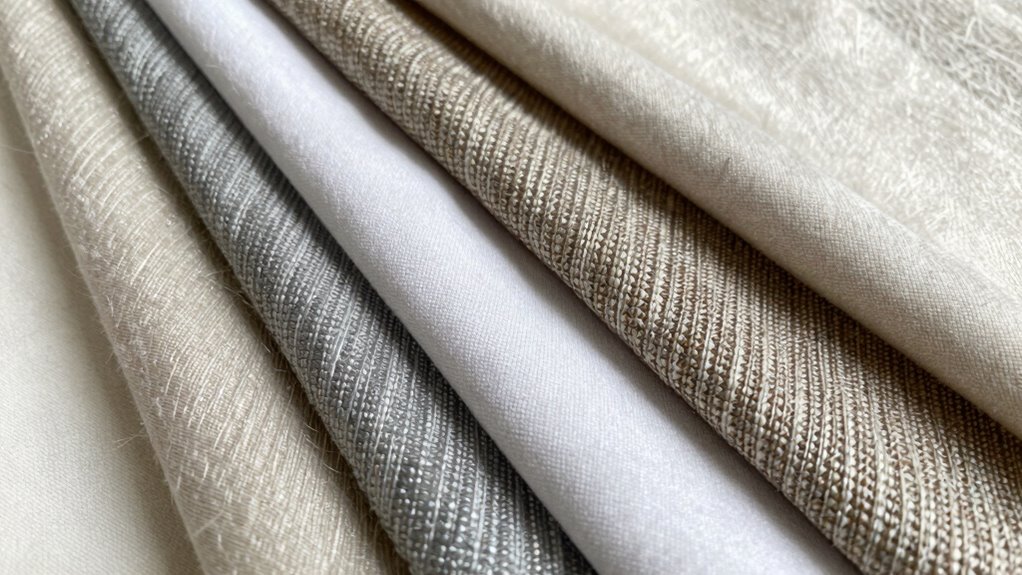
Have you ever wondered why some fabrics feel softer or more durable than others? The answer often lies in the fabric’s composition, especially when it comes to blends. While 100% natural fibers like cotton or wool are popular, fabric blends combine different materials to enhance performance, appearance, and longevity. These blends are thoughtfully crafted, often with sustainability in mind, promoting sustainable manufacturing practices that reduce waste and energy use. Combining fibers allows manufacturers to create textiles that are not only eco-friendly but also easier to care for, making them more appealing to consumers who prioritize both quality and sustainability.
One key advantage of fabric blends is their ability to optimize dye absorption. Natural fibers tend to absorb dyes well, resulting in vibrant, long-lasting colors. When blended with synthetic fibers, like polyester or nylon, the fabric can still retain good dye absorption while gaining added durability and shape retention. This synergy means you get garments that look great and last longer, reducing the need for frequent replacements. It’s a win-win: you enjoy high-quality textiles that maintain their color and form over time, and manufacturers can produce these fabrics more efficiently, often with less environmental impact. This approach aligns with sustainable manufacturing goals, minimizing waste and energy consumption during production.
However, some people believe that 100% natural fabrics are always superior. While natural fibers are breathable and biodegradable, they aren’t without limitations. They can wear out faster, shrink, or stain more easily. Blending fibers can address these issues, offering fabrics that are more resilient and easier to care for, which can extend the lifespan of your clothing. Plus, blends can be engineered for specific functions—think moisture-wicking properties for athletic wear or wrinkle resistance for work attire. This customization often results in a better fit for your needs, compared to pure natural fibers that may not perform as well in certain conditions. Additionally, sustainable manufacturing practices help produce these blends in an environmentally friendly way, making them a responsible choice for eco-conscious consumers.
Despite the myth that 100% fabrics are always better, blends can deliver better overall performance, durability, and sustainability. They can be produced with sustainable manufacturing processes, reducing environmental impact and improving dye absorption for vibrant, long-lasting colors. When you choose fabric blends, you’re often getting a product that balances eco-consciousness with practicality. They’re designed to stand up to daily wear and tear, look good longer, and sometimes even feel softer or more comfortable than their pure counterparts. Furthermore, advancements in sustainable techniques are making these blends even more environmentally friendly. Recognizing the importance of fiber versatility helps consumers make more informed choices that support both quality and environmental goals. Ultimately, fabric blends offer a smarter, more versatile option that aligns with modern values of sustainability and quality.
As an affiliate, we earn on qualifying purchases.
Frequently Asked Questions
Are Fabric Blends More Affordable Than Pure Fabrics?
Yes, fabric blends are often more affordable than pure fabrics. They offer cost savings because manufacturers combine cheaper materials to create a durable, versatile fabric. Plus, blends provide more material variety, allowing you to get different textures, colors, and properties without overspending. This makes them a practical choice if you’re looking for options that balance quality and affordability, giving you more flexibility in your wardrobe or projects.
How Do Fabric Blends Affect Garment Durability?
Imagine a sturdy bridge built with multiple materials—fabric blends strengthen garments through fiber bonding, enhancing their durability. You’ll find that blends often improve wear resistance, making clothes less prone to tears and pilling. This synergy of fibers distributes stress evenly, boosting garment longevity. So, by choosing blends, you’re investing in clothes that withstand daily wear better than pure fabrics, offering you lasting value and resilience.
Can Fabric Blends Cause Skin Allergies?
Fabric blends can cause skin allergies because synthetic fibers like polyester or nylon may lead to synthetic irritation. If you have sensitive skin, you might experience allergic reactions such as redness, itching, or rashes when wearing blends containing these materials. Always check labels for synthetic components, and opt for natural fiber blends like cotton or silk if you’re prone to allergies, to minimize the risk of skin irritation.
Do Fabric Blends Require Special Care or Washing Instructions?
Yes, fabric blends often require special care or washing instructions. You should always check the care labels for specific care instructions and washing tips, as different fibers in the blend may need different treatments. Typically, you’ll want to wash them in cold water, avoid harsh detergents, and opt for gentle cycles. This helps maintain the fabric’s quality, prevents damage, and keeps your clothing looking its best longer.
Are Fabric Blends More Environmentally Friendly Than Pure Fabrics?
Yes, fabric blends can be more environmentally friendly than pure fabrics. They often combine sustainable fibers with durable materials, reducing waste and resource use. Eco-friendly benefits include less water and energy consumption during production, and some blends are biodegradable. By choosing blends, you help lessen the environmental impact, supporting sustainable practices. Overall, fabric blends can offer a greener alternative, making your wardrobe more eco-conscious while maintaining quality and longevity.
Conclusion
Remember, fabric blends are like a symphony—each material adding its own note to create harmony. While 100% fabrics might seem pure, blends often hit the perfect balance of durability, comfort, and style. Don’t dismiss them too quickly; they’re the secret ingredients behind many of your favorite clothes. Embrace the variety and let your wardrobe sing with the rich, layered melodies that fabric blends offer. After all, perfection lies in the beautiful harmony of diversity.
Halloween Picks
halloween
As an affiliate, we earn on qualifying purchases.